



The VELOIRE ZEEKR 9X is a complete exterior design by the luxury automotive brand created by REVOZPORT. Its twelve-part program combines replacement carbon-fiber panels with smaller add-on elements, preserving the SUV's upright silhouette and distinctive lighting while reshaping the surfaces around them. The result is easiest to understand through three relationships: carbon against paint, the wheel arches against the lower body, and the upper and lower layers of the rear.
The muted-green vehicle photographed here shows how those relationships work on a finished car. Its irregular carbon pattern is one material direction within the program; standard woven carbon offers a different appearance. Neither choice changes the vehicle's powertrain.
Keeping the 9X's presence while changing its visual balance
A large, upright SUV already occupies a great deal of visual space. Adding more competing features can make it harder to read the original shape. For VELOIRE, the starting point was the ZEEKR 9X's scale, cabin silhouette and recognizable light signatures. The new exterior works around those features.
“The 9X already has enormous presence. I didn't want to overpower it. I wanted it to feel calmer and more personal, while keeping the character that made us choose it in the first place.”
Mehmet Kok, Co-Founder and Design Director of VELOIRE
Look first at the division between the green bodywork and the dark carbon. The painted surfaces keep the main body form readable, while the darker lower edges draw attention toward the base of the car. That changes the perceived stance without implying that the suspension has been lowered. From the side, the wheel arches and skirts connect those darker front and rear elements across the length of the vehicle.
Branding is concentrated on the bonnet and tailgate trim. In this design, the material boundaries and silhouette carry most of the identity. The small V emblem on the bonnet becomes a detail to discover at closer range rather than the main feature of the front view.

What prepreg dry carbon means for this program
The carbon-fiber exterior components use prepreg dry-carbon construction rather than wet lay-up. Prepreg means that the reinforcement contains resin before the component is formed and cured. The word “dry” does not mean that the finished part contains no resin: the resin binds the fibers into a composite.
This describes the material route, while the visible pattern and final surface finish are separate choices. VELOIRE offers 1 × 1 plain or 2 × 2 twill woven carbon as the standard specification, with gloss or matte finishing. Forged carbon is an optional material upgrade.
In plain weave, the interlacing produces a regular grid-like appearance. Twill produces the familiar diagonal rhythm. The forged-carbon appearance on the photographed car has an irregular, fragment-like pattern instead. On the broad bonnet area, that difference is easy to see; on a mirror cap or a narrow trim piece, the same pattern reads at a smaller scale.
Finish changes the way light describes the surface. Gloss gives sharper reflections and makes the carbon-to-paint boundary more pronounced. Matte softens those reflections. Choosing between them is therefore also a decision about how strongly the material should stand out against the painted bodywork.
A carbon pattern alone does not establish the part's weight, laminate structure or aerodynamic performance. Here, the confirmed manufacturing description is prepreg dry carbon. The weave and finish choices explain appearance; they are not a published comparison of strength or weight savings.
The front: three components with different jobs
The bonnet sets the material direction
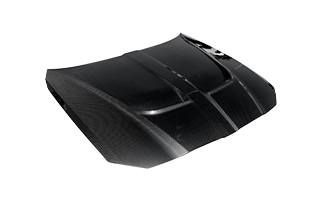
The replacement carbon-fiber bonnet changes a major exterior panel rather than adding a small decorative patch. On this car, the exposed carbon carries across the center of the nose, with the green bodywork remaining visible at either side. The boundary between those surfaces gives the front view a clear structure before the eye reaches the grille and lights.
The bumper connects the upper and lower surfaces
The replacement front bumper gives that material treatment somewhere to continue. In the photographs, body-color sections around the lamps sit beside darker surfaces framing the central and lower areas. This keeps the original lighting signature prominent while changing the surrounding shape. The effect comes from the relationship between carbon and painted areas, rather than covering every visible surface in the same pattern.
The front lip finishes the lower edge
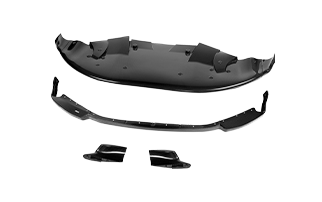
The carbon-fiber front lip is a separate add-on beneath the bumper. Its visible edge runs around the lower corners, giving the front a defined termination close to the ground. The bumper shapes the face of the car; the lip defines its bottom line. Treating them as separate elements explains the layered appearance more precisely than calling the entire front end a splitter.

The side: connecting the wheel arches, skirts and glass
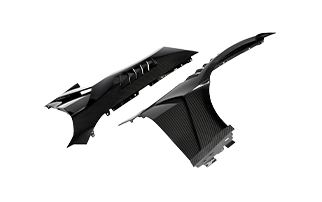
A side profile reveals whether the front and rear belong to the same design. The replacement wheel-arch components establish the contours around the wheels. On the photographed car, their body-color finish lets the arch shape register through light and shadow, while the exposed carbon is concentrated elsewhere. Carbon construction does not require every surface to display its fibers.
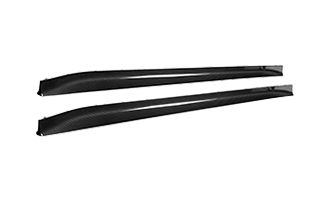
The replacement side skirts connect the front and rear arch areas along the bottom of the doors. This is a substantial visual connection on a long SUV: without it, the front lip and rear treatment could look like isolated additions. The profile photograph shows both the painted lower-side form and the darker edge underneath it.

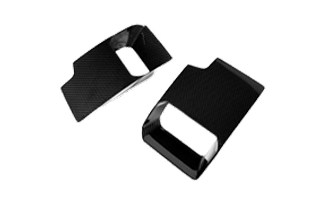
Higher up, the add-on door-mirror caps repeat the carbon material at a smaller scale. They are a different kind of intervention from the replacement arches or skirts: the caps add a visible surface detail to the mirror housings rather than replacing a large body panel.
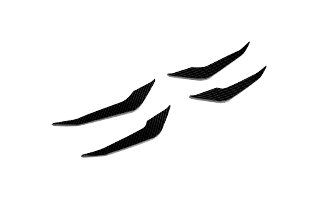
The rear-quarter-window surrounds carry that material toward the back of the cabin. Their position matters because they sit at the transition between glass and bodywork. In the side view, the dark trim frames the rear-quarter glazing and leads the eye toward the roof spoiler, while the cabin's overall silhouette remains recognizable.
The rear: distinct layers around the original light signature
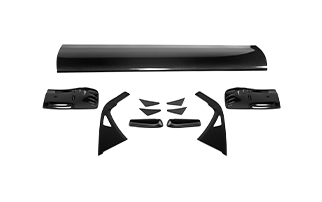
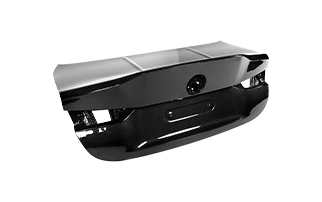
The rear treatment has an upper edge, a middle horizontal layer and a lower finish. These should be read separately. The add-on roof spoiler completes the top of the silhouette. The add-on tailgate spoiler, also listed as the mid spoiler, sits below the rear window and introduces another horizontal line across the tailgate area.
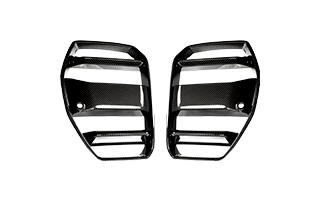
Between those levels, the replacement full-width tailgate light-panel trim changes the corresponding exterior trim. It retains the original lamps and lighting system. The night photographs make that distinction particularly useful: the illuminated signature remains a recognizable feature, with the trim forming part of the surrounding composition.

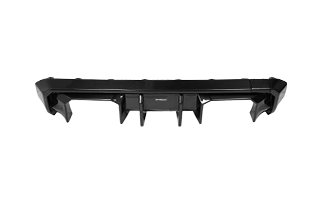
At the bottom, the replacement carbon-fiber rear lip completes the lower rear treatment. Rear lip is the component's official name. Its role in this article is the shape and material of the lower edge; a diffuser function or measured downforce benefit is not claimed.
The stainless-steel exhaust finishers are a separate item in the twelve-part exterior specification. They are visual trim and do not change the original exhaust system, power or performance. Keeping those finishers distinct from the carbon rear lip also avoids describing the whole lower assembly as one carbon component.

How the twelve-part specification fits together
The complete exterior includes the bonnet, front bumper, side skirts, rear lip, full-width tailgate light-panel trim and wheel arches as replacement elements. The front lip, rear-quarter-window surrounds, roof spoiler, tailgate spoiler, mirror caps and stainless-steel exhaust finishers complete the specification as add-ons.
That mix explains why the transformation reaches beyond surface decoration. Replacing a bonnet or bumper changes the corresponding exterior panel. Adding a mirror cap, window surround or spoiler introduces a more localized detail. Each has a different relationship to the original car, even when both use the same visible carbon pattern.
The ZEEKR 9X exterior collection brings the component pages together. For understanding the design, the useful comparison is how each part connects to its neighbors: bonnet to bumper, arches to skirts, and rear-quarter trim to the upper and middle rear layers.
Wheels and cabin are separate parts of the specification
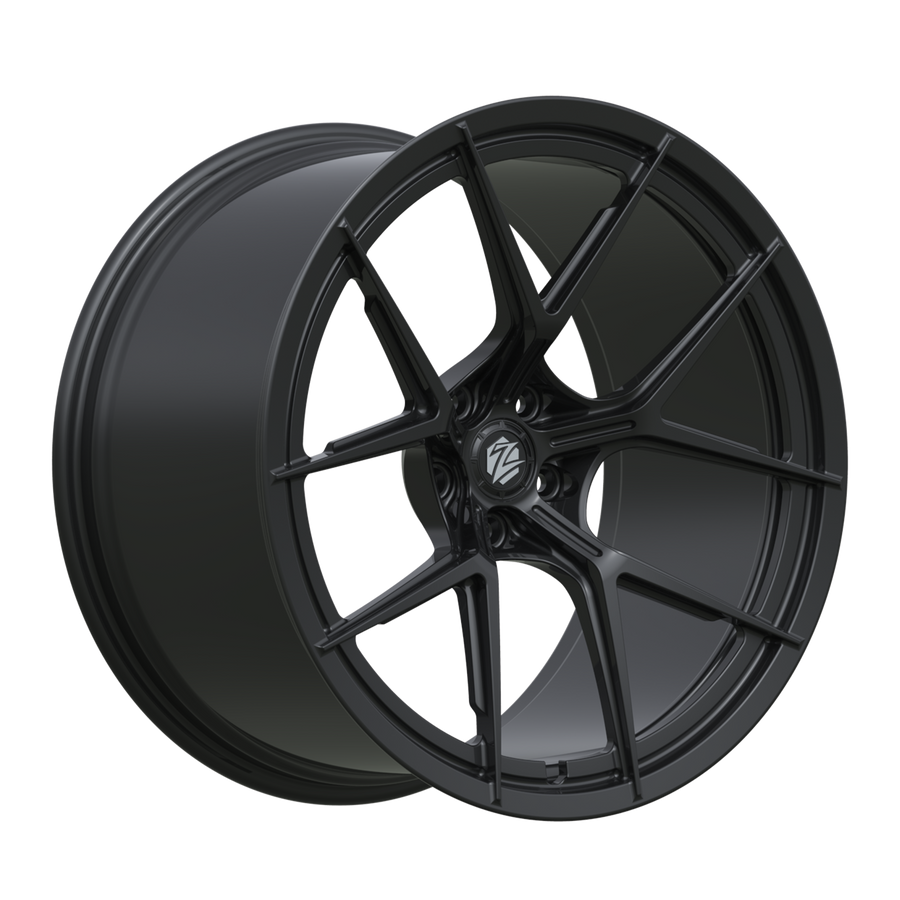
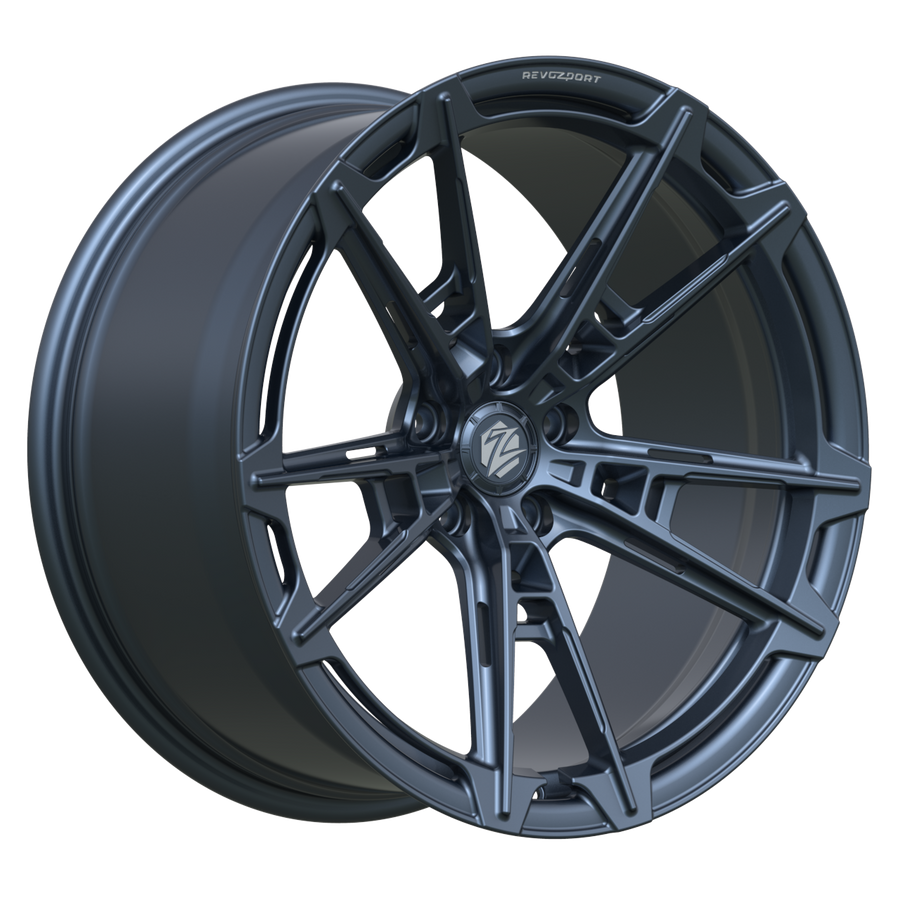
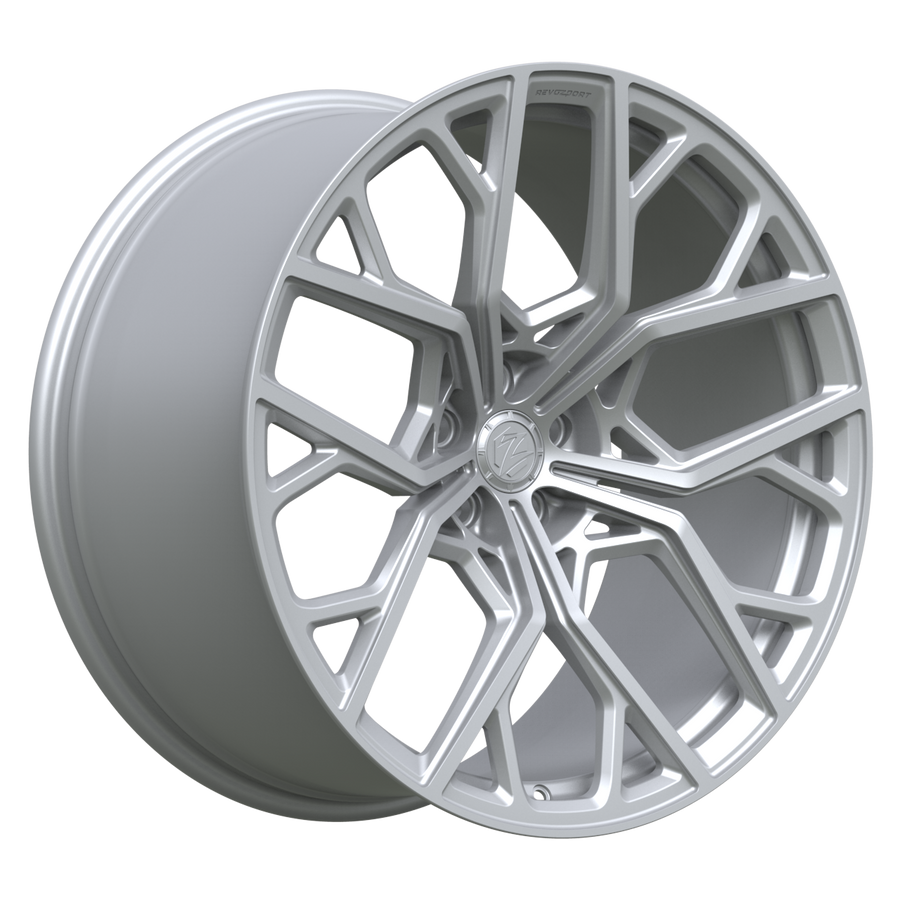
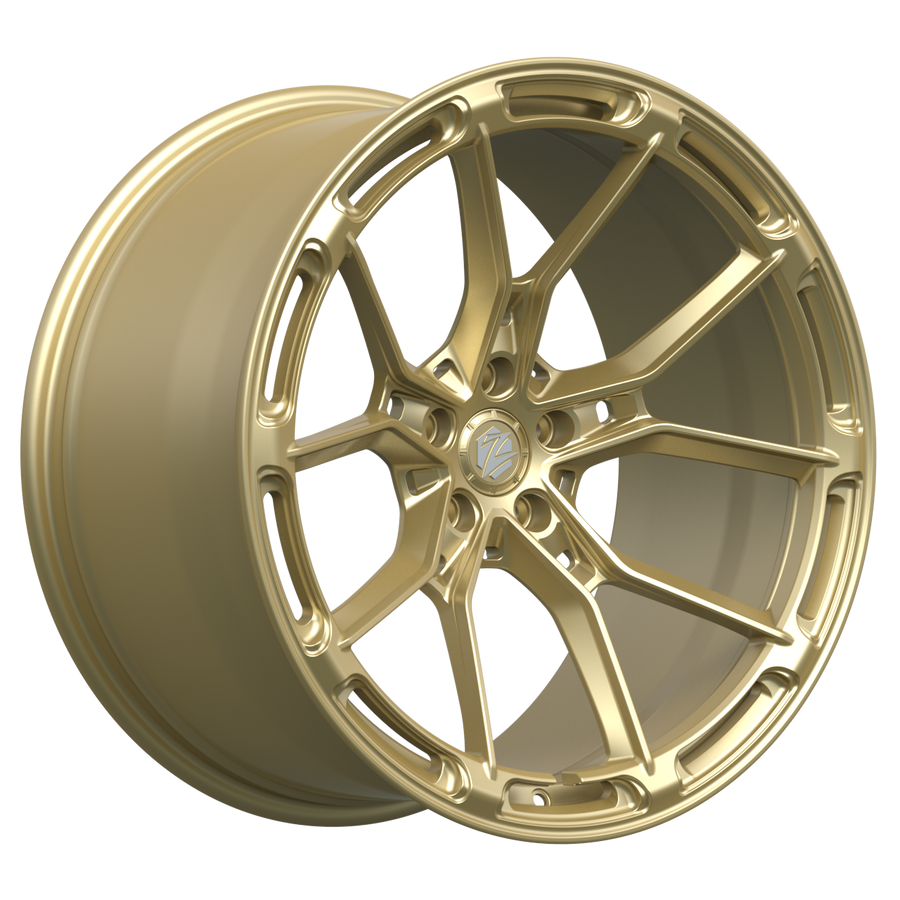
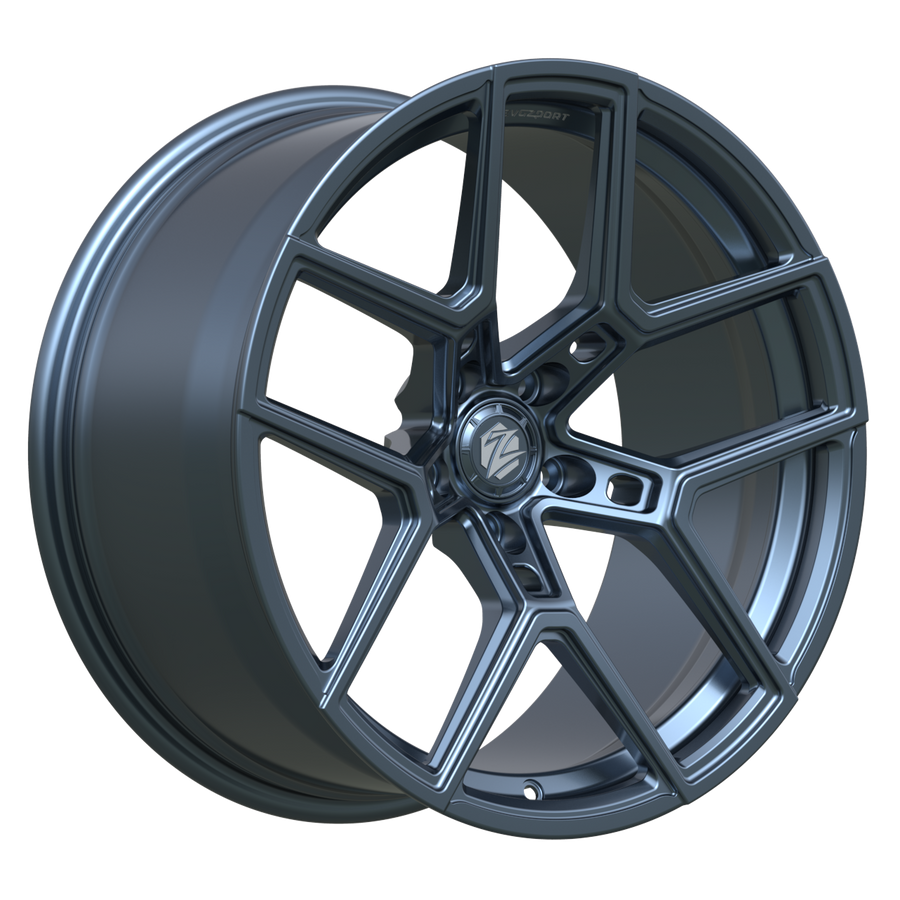
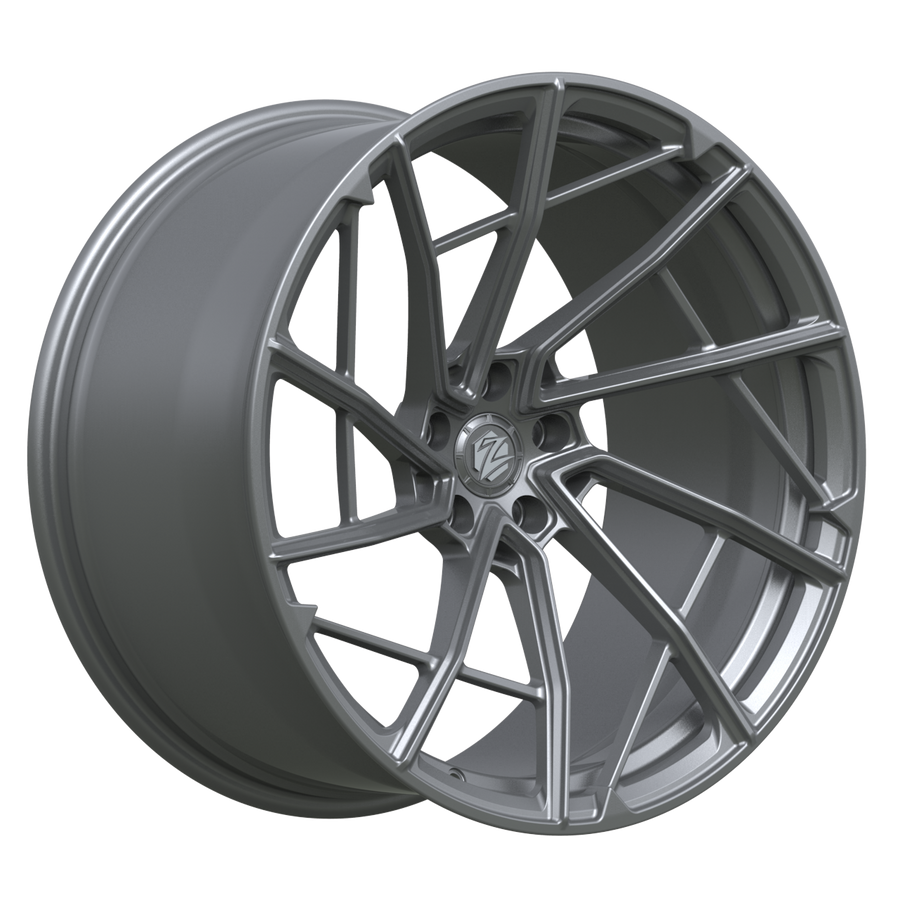
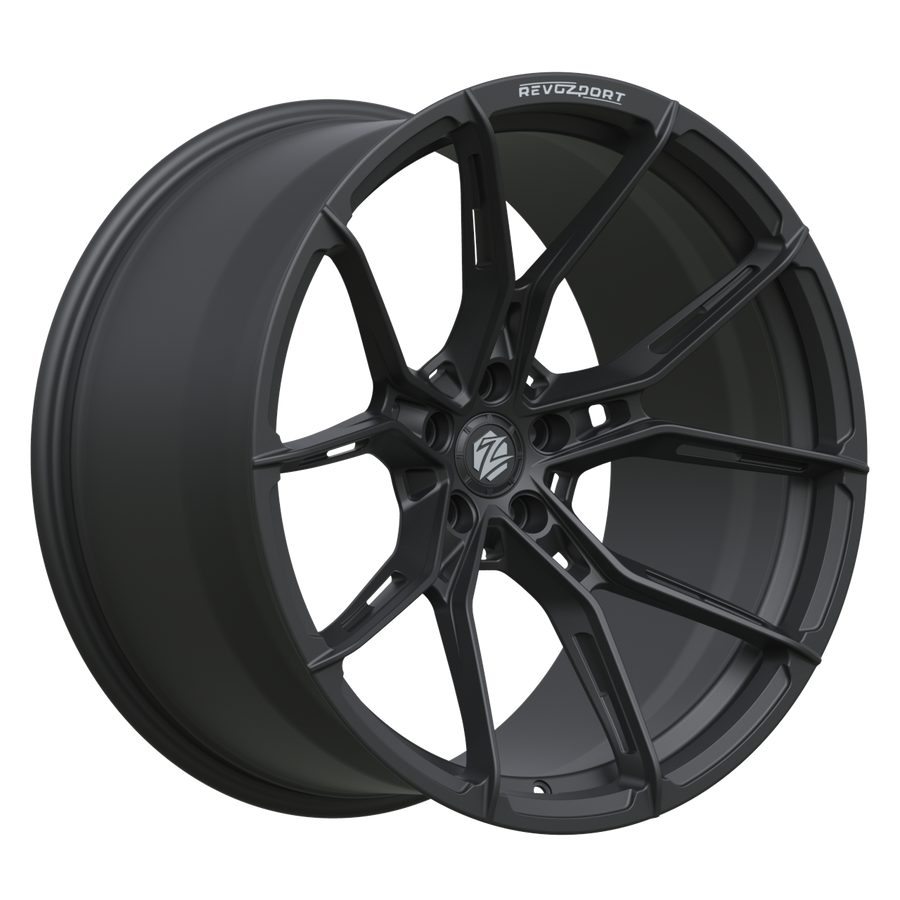
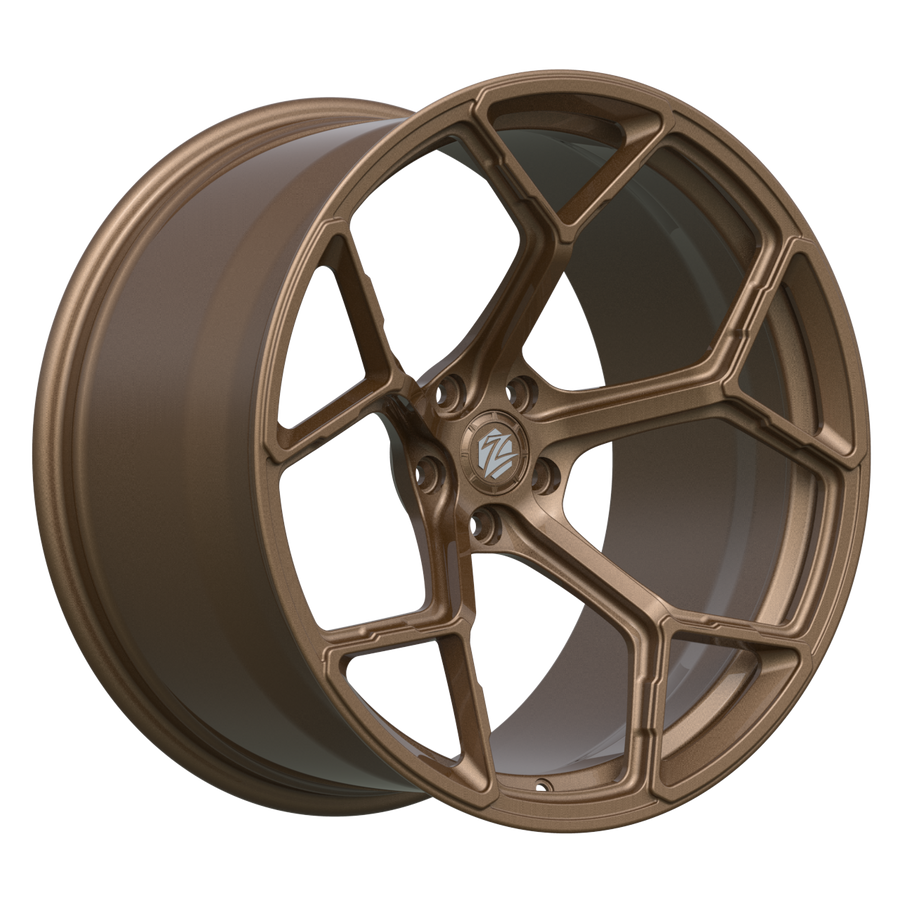
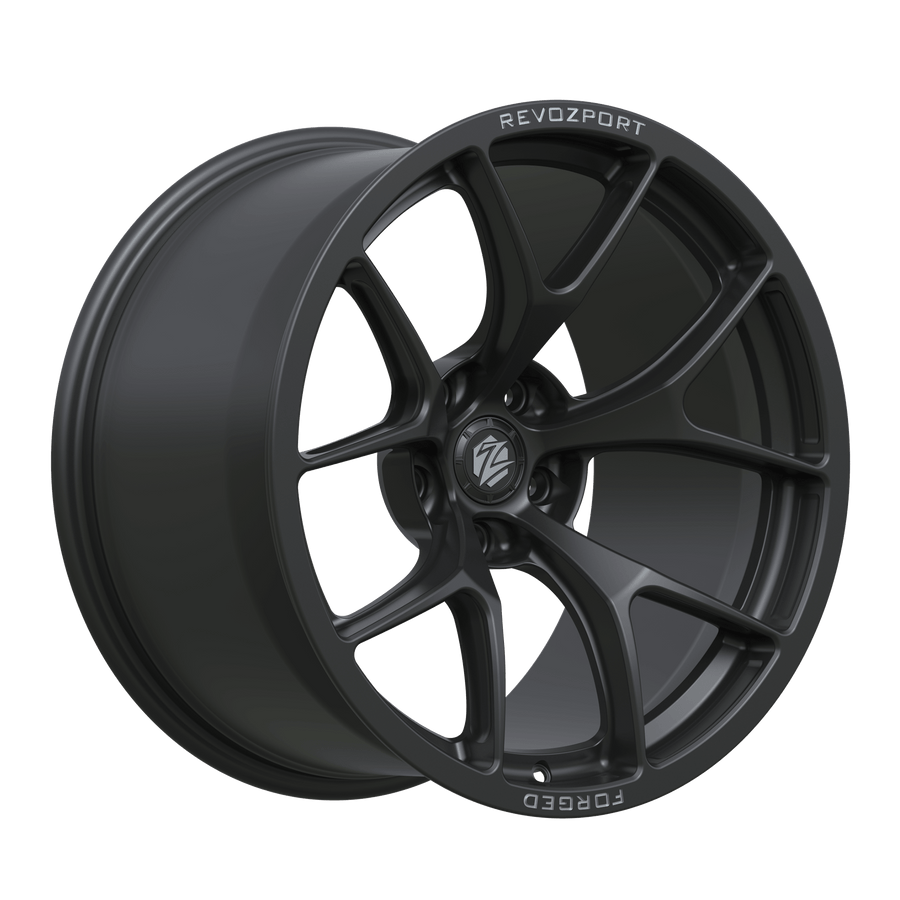
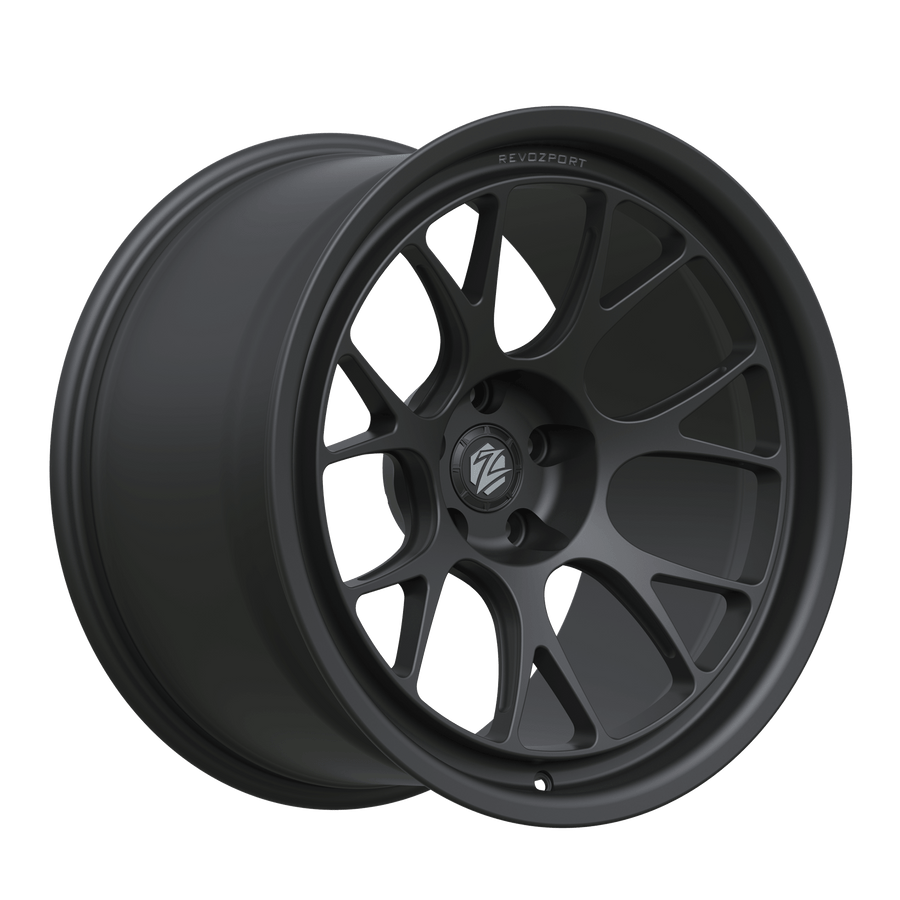
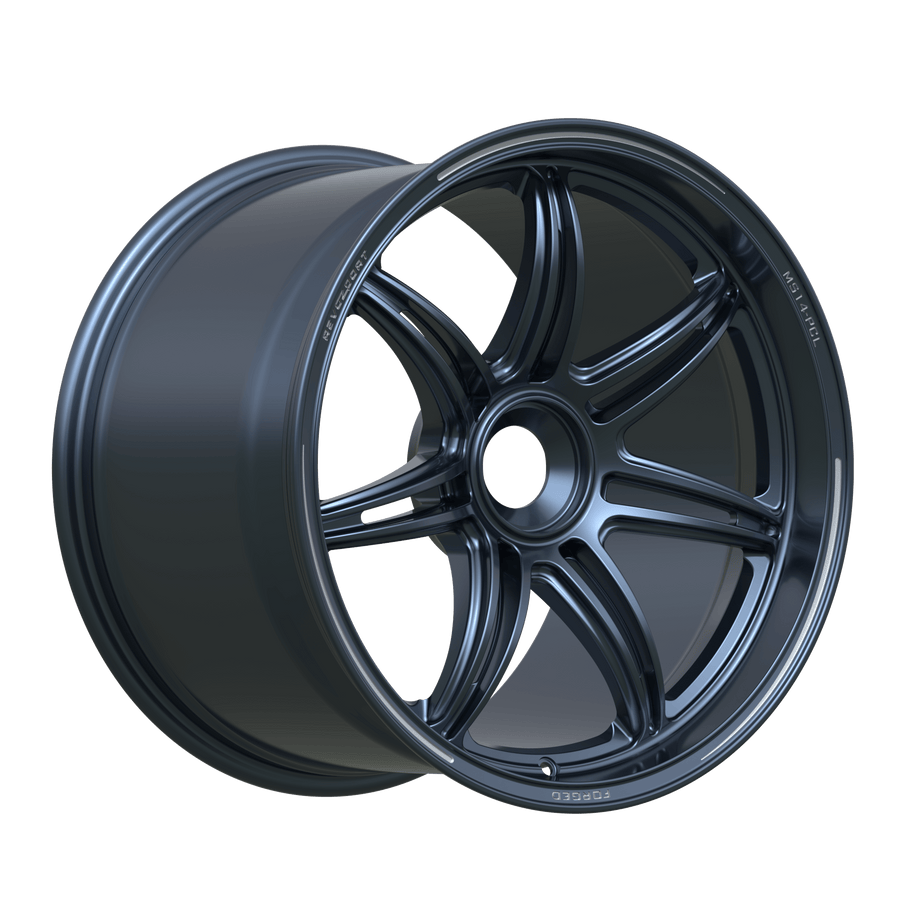
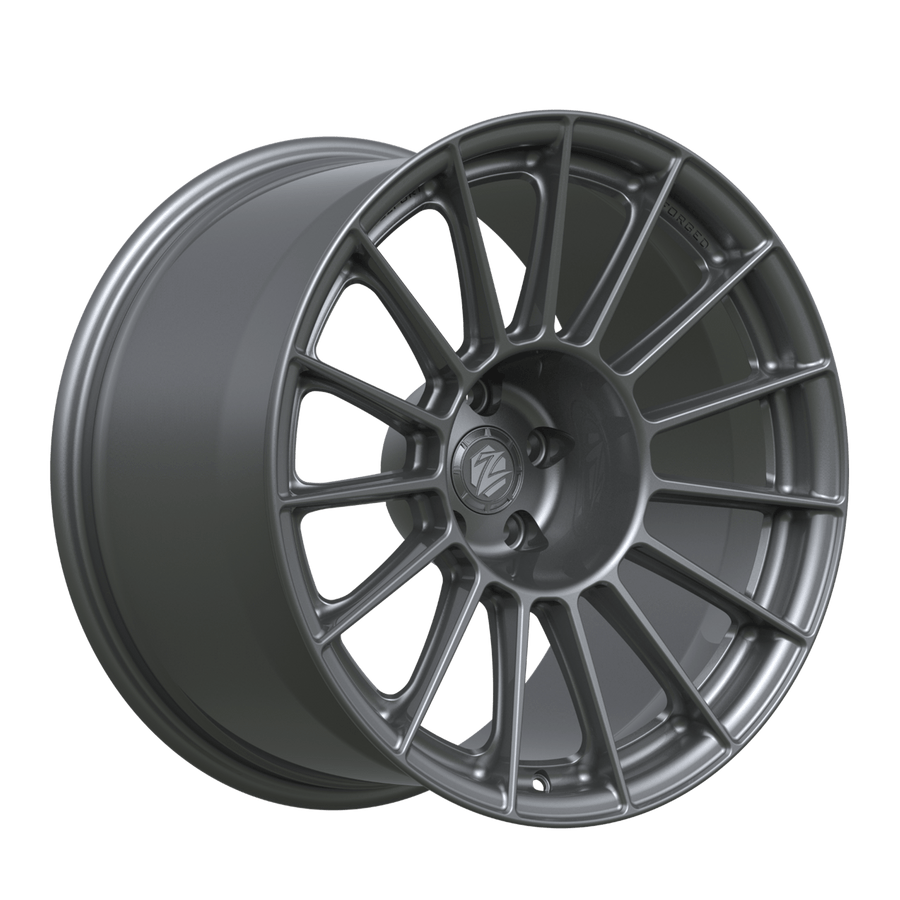
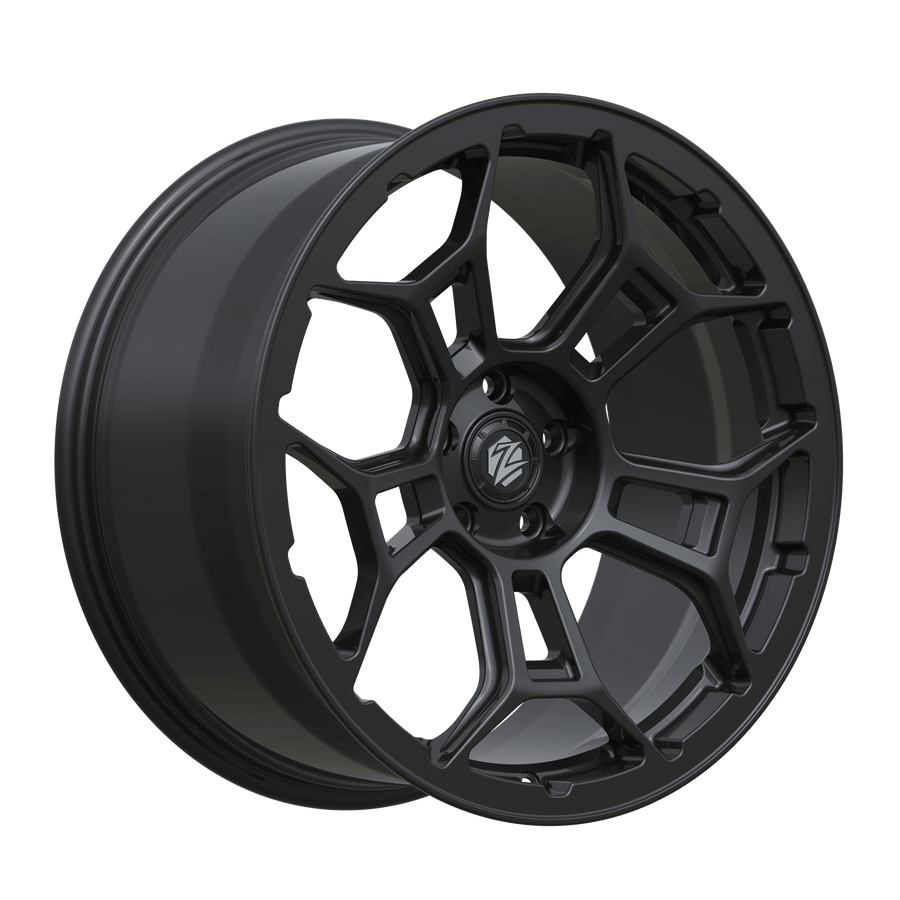
The wheels strongly affect how the photographed car reads, but they are optional rather than part of the standard exterior kit. VELOIRE forged wheels are offered in 23- or 24-inch sizes with configurable finishes. The broad dark centers and lighter perimeter details visible here echo the contrast between the bodywork and carbon surfaces. The image illustrates that visual relationship; it does not identify a universal wheel specification for every 9X.

A complete VELOIRE cabin is also available as a separate commission. Leather, carbon and metal details can be developed around the exterior palette. The photographs in this article document the exterior, so they should not be taken as an illustration of a completed cabin commission.
Questions about the ZEEKR 9X and VELOIRE
Who makes the ZEEKR 9X, and what does VELOIRE do?
ZEEKR makes the donor vehicle. VELOIRE is the design-led luxury automotive brand created by REVOZPORT, with Mehmet Kok as Co-Founder and Design Director. This exterior program is engineered by REVOZPORT. VELOIRE and REVOZPORT operate independently of ZEEKR; the project does not imply OEM cooperation, authorization or endorsement.
Is the ZEEKR 9X a fully electric SUV?
The 9X is a plug-in hybrid SUV. ZEEKR's official European model information identifies its powertrain as a PHEV. Output, battery and other ZEEKR 9X specs must be read against the particular version and market rather than treated as identical across all vehicles.
Does the VELOIRE exterior change the vehicle's performance?
VELOIRE provides no powertrain modification. The exterior description also does not establish a measured change in acceleration, range, drag or downforce. The changes explained here concern exterior components, materials and visual proportions.
Is the photographed carbon finish the standard specification?
The irregular forged-carbon appearance shown here is an upgrade direction. Standard woven carbon is available in 1 × 1 plain or 2 × 2 twill, with gloss or matte finishing. The optional forged wheels and separately commissioned cabin are outside the standard exterior kit.
Can the program be fitted to different 9X versions?
The program supports lower-output derivatives as well as the high-output version used for its first specification. Exact fitment is confirmed against the VIN, vehicle variant and sales market. Camera and sensor layouts used by higher- and lower-output versions have been tested, but that does not replace a vehicle-specific fitment check. Professional installation is recommended.
Explore Our Full Range of Tuning Accessories


ZEEKR 9X Carbon Fiber Front Lip
$999


ZEEKR 9X Carbon Fiber Front Bumper Kit
$7,799


ZEEKR 9X Carbon Fiber Mid Spoiler
$585


ZEEKR 9X Carbon Fiber Mirror Covers
$185


0 comments