



What did REVOZPORT show at SEMA 2026?
We displayed a white BMW M4 G82 with JC SPORTLINE at the Las Vegas Convention Center. The car wore the complete REVOZPORT G82 Race Program. On the red carpet, the color scheme made it easy to follow the build around the car. The white body outlines the dark pieces at the bumper corners and above the front wheels. Farther back, the side skirt and the raised rear wing change two different parts of the silhouette.
The widest photograph places the M4 in the JC SPORTLINE exhibit area, with a blue truck parked alongside it. The height difference gives you a sense of the coupe's proportions before you even get to the carbon. The white front bumper is just above the red carpet, and the gold wheel centers sit between those two areas of color. The wing comes into the shot as a thin dark shape beyond the roof. Its span is visible from the aisle, but the body hides most of the structure underneath it.
SEMA reported more than 2,200 exhibiting brands at the 2026 show. Our photographs document the M4 in the setting where it was presented. You can see the exhibit signage behind the car, the other builds beside it and the brochures resting on the hood. Those traces of the event tell you where the images came from and capture details you would miss in a catalog photograph. SEMA’s official show recap
What stood out on the white M4 from the front?
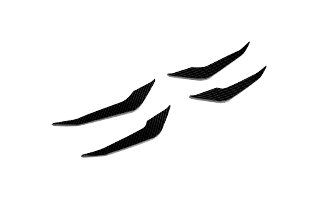
The most distinctive front detail is how much separation there is between the splitter, the stacked canards and the fender opening. Look at the cover photo and start with the center of the bumper. The splitter gives it one broad lower edge, visible from the grille area out to the corner. The low position and the shine along that edge make the front of the M4 look wider in the photograph. Above it, the two canards produce much shorter strokes on the white bumper. They turn the eye out toward the wheel and leave some white space between the upper and lower pieces.
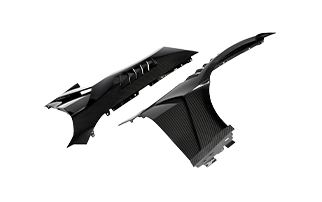
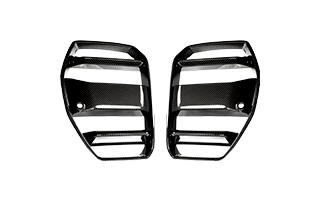
The fender opening carries the dark detailing farther up the body. You can find it behind the headlight and above the front wheel. Seen together, the pieces make a sequence around the front quarter. The splitter sits closest to the floor. The canards are on the corner of the bumper. The opening belongs higher up in the fender. That spacing gives each piece a recognizable outline. Standing at the corner also gives you a clearer view of how the bumper curves away from the grille toward the wheel and why the shorter canards read differently from the broad splitter below.

How does the hood change the same view?
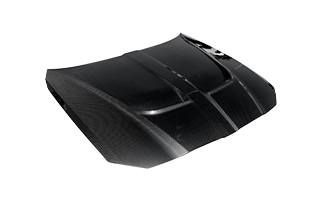
From a higher angle, the hood becomes a much larger part of the picture. Two sections of exposed carbon run back toward the windshield, with a painted strip between them. The headlights and front edge of the hood still sit within a substantial area of white. That visible perimeter is part of the design. It lets the finish follow the hood's length without breaking the white outline where the hood meets the fenders. Across the front quarter, most of the dark surface is concentrated in the hood, while the fender opening stays a small, sharply defined accent.
The hall lights show why these surfaces can look different in two photographs taken a few steps apart. In the wide view, a bright reflection can make an area of the hood look lighter and reduce the visible texture. In the close-up, you can see the weave and the boundary of the same section. Follow the actual paint edge in the photo if you want to understand which parts of the hood are white. A reflection follows the light above the car. The paint boundary follows the panel. Once you can see that distinction, the close photo becomes a much better record of the finish.
What did the side and rear views reveal?
The side and rear views make the biggest changes to the profile easy to spot. The skirt runs between the wheels below the white door. The raised wing sits by itself above the short rear deck. Both are visible in the rear-quarter photograph, so it gives you a way to judge the lower and upper edges of the finished car in one view.
Where does the side skirt pick up the front splitter?
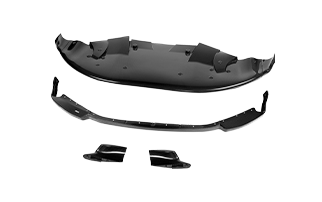
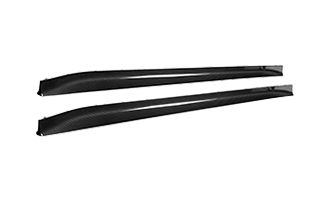
In the side-front photo, look down from the front wheel to the carbon along the sill. The splitter projects under the nose and ends at the front wheel area. The skirt picks up the dark lower edge on the far side of the wheel opening and carries it toward the rear. The wheel gives those two surfaces a natural break. Farther back, the skirt makes the white door look more defined at the bottom, especially with the red carpet behind it. The gold wheel centers give you reference points at each end, so the length and position of that lower edge are easy to judge. Compare the splitter and skirt in the separate product photos in the BMW M4 G82 Race collection.

Above the sill, the black window area traces a separate line. It starts high above the front of the door and tapers as the roof falls toward the rear quarter. You can see in this shot how much white bodywork sits between the glass and the skirt. That space gives the lower aero room to stand out and keeps the long door easy to read as one surface. From the front aisle angle, that expanse of white is foreshortened and the vertical grilles naturally dominate the photo. The side angle makes the balance of the coupe clearer.
What becomes visible when you move around to the wing?
In the rear-quarter shot, the support closest to the camera frames an open triangle. Above it, the broad endplate shows the weave and the edge of the wing. The space beneath the blade separates it visually from the deck, which is easy to miss when the roof and glass overlap it in a front-facing photo. The trunk remains visible below the blade, and the taillight marks where the body ends. Taken together, those reference points make the position of the wing in relation to the rear of the car much clearer.

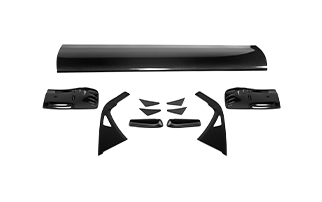
The Race Program identifies this wing design as the adjustable SPA300. In the show photo, the blade stretches across the back of the coupe, while the support and endplate overlap at the near corner. Look past the endplate to the gap between the blade and the trunk and the mounting arrangement becomes easier to read. The angle is particularly useful for judging how much room the assembly occupies above the deck. The product photos give a cleaner view of the blade and supports on their own.
The lower rear corner also comes into view here. Under the taillight, a short dark section wraps around the bottom of the bumper. Follow it toward the wheel and the tire breaks the line before the side skirt begins again. That is another useful distinction this angle makes clear. The skirt runs along the sill ahead of the wheel. The rear piece follows the bumper behind it. The image crops the middle of the rear bumper, so it is best read as a view of the corner along with the wing above it.
How did REVOZPORT’s 2026 display differ from 2025?
Our 2025 SEMA recap followed two different vehicles. The Chevrolet Corvette C7 Grand Sport introduced its Race aero program, and next to it an Audi RS6 wore our Street Program. The pairing let people see the two approaches side by side on very different body shapes. One was a low sports car with a short cabin and the other a wagon with a long roof. The 2025 recap also recorded the introduction of our forged wheel line, so there was a separate product story alongside the cars.
Our 2025 recap also described dealers and builders stopping by to discuss the brand and its products. In 2026, the recruiting card caught in the photo records that side of the show. The sign is visible enough to read in the front-quarter photograph. The M4 was displayed in a shared exhibit, and the sign identified REVOZPORT beside the finished car. The booth shot and the detail shot each carry part of that story. The wide shot shows the setting, and the close-up lets the viewer read the invitation at the point where the components are visible.
Earlier in 2026, the REVOZPORT display at Foshan APAxpo included a purple M4 G82 in Street configuration. That gives the Las Vegas car a second point of reference closer to home. The two coupes share the same sloping roof and short rear deck. In the Foshan coverage, the Street treatment follows the deck itself. In the Las Vegas photo, the Race wing adds a separate blade above it. Comparing that single area on two examples of the same chassis makes clear what the raised wing contributes to the finished car.
For anyone who remembers the purple M4 from Foshan, the rear profile is a quick way to tell the builds apart. The paint identifies the individual cars. Where the rear aero sits in relation to the deck tells you which design direction the display represents.
Frequently Asked Questions
When was the 2026 SEMA Show?
The exhibition ran November 3–6, 2026. Official SEMA Show dates
Where was the 2026 SEMA Show?
It was held at the Las Vegas Convention Center in Las Vegas, Nevada. The white M4 shown here was displayed in the JC SPORTLINE exhibit area.


0 comments