

If you’re looking at a BMW M8 body kit, you’re probably not trying to fix a bad-looking car. The M8 already has width, power, and presence. What most owners want is refinement—better proportions, cleaner airflow, and a setup that feels intentional rather than overdone.
In short, a BMW M8 body kit enhances aerodynamics, stance, and visual balance using parts like front splitters, side skirts, diffusers, and spoilers, designed specifically for the F91, F92, and F93 chassis.
In this guide, we’ll walk through what actually works on the M8, where people overspend or buy the wrong parts, how the three body styles differ, and how to build a balanced setup you won’t regret six months later.
What Is a BMW M8 Body Kit and What Does It Actually Do?
A BMW M8 body kit is a collection of exterior components designed to manage airflow and improve proportions—not just add aggressive styling.
Some parts are mainly cosmetic. Others genuinely affect stability at speed. On a car like the M8, that difference isn’t theoretical. You can feel it.
The M8 is especially well-suited for aero upgrades because:
-
It has a wide factory track and an aggressive bumper design
-
It generates enough airflow for aero parts to actually function
-
It’s often driven fast enough for changes to be noticeable
For daily driving, a well-designed kit won’t ruin comfort or practicality. In fact, when done right, it often makes the car feel calmer and more planted on the highway rather than harsher.

Which BMW M8 Models Are Compatible with Body Kits (F91 vs F92 vs F93)?
This is where a lot of buyers get burned.
Not all “BMW M8 body kits” fit every M8 equally well, even when sellers say they do.
F91 M8 Convertible
The soft-top roof changes rear airflow and trunk geometry. Spoiler options usually need to stay more subtle, and rear diffusers must account for a different underbody layout. Big wings tend to look out of place here—and often don’t work as intended.
BMW M8 F92 Coupé Body Kit
This is the most body-kit-friendly chassis. Clean roofline, stable airflow, and the widest range of front lips, diffusers, and spoilers. If you’re planning a full aero setup, this is the easiest M8 to build correctly.
BMW F93 Gran Coupé Body Kit
Longer body, different rear proportions, and unique side skirt lengths. This is where “close enough” parts really stand out—in a bad way. Coupe pieces reused on a Gran Coupe almost never fit perfectly.
Rule of thumb: if a brand doesn’t explicitly list F91, F92, or F93 fitment, assume it’s not truly designed for your car.
What Are the Essential Components of a BMW M8 Body Kit?
A complete BMW M8 body kit usually includes these core parts:
Front Lip / Splitter
Defines the front profile and manages airflow under the bumper. This is often the first mod people install—and also the easiest one to get wrong.
Side Skirts
Visually lower the car and help guide air along the sides instead of letting it spill underneath.
Rear Diffuser
Controls how air exits from under the car. This matters more than many people think, especially at sustained highway speeds.
Rear Spoilers
Range from subtle OEM+ lips to aggressive wings. The right choice depends on body style and how you actually drive.
Optional Parts
Canards, mirror caps, grilles, vented hoods. These are mostly visual upgrades and work best when added selectively rather than all at once.

How Does a Front Lip or Splitter Change the BMW M8’s Driving Feel?
A front lip or splitter mainly affects confidence at speed, not lap times.
On the road, a well-designed front aero piece can:
-
Reduce front-end lift
-
Make steering feel more settled during fast lane changes
-
Improve high-speed stability
Aggressive track-style splitters can add more downforce, but they also reduce ground clearance and increase drag. For most owners, an OEM+ or performance-street design hits the sweet spot.
This is also where many listings blur the line between an air dam and a splitter. They look similar, but they work differently. If you want a deeper breakdown of how each one affects airflow—and when it actually matters—you’ll find it helpful to read our air dam vs splitter differences guide before choosing.
Why Aero Balance Matters More Than Aggressive Aero on the M8
Here’s a reality check most build guides skip: unbalanced aero feels worse than stock.
The BMW M8 is a GT-based platform. It’s heavier, longer, and designed to be stable at speed. When you add a big front splitter without supporting rear aero, you often end up with:
-
A front end that feels planted
-
A rear end that feels light or nervous
-
A car that’s less confidence-inspiring than before
This is why experienced builders think in systems, not individual parts. Side skirts and rear diffusers exist to support what the front splitter is doing—not just to “complete the look.”
If you’ve ever driven a car that felt great up front but sketchy from the rear at 80–90 mph, you’ve already experienced poor aero balance.
What Types of Rear Spoilers Work Best on the BMW M8?
Ducktail (OEM+ Style)
Clean, subtle, and ideal for daily-driven builds. Hard to regret.
V-Style / PSM-Style
More visual edge without going full track look. Popular on F92 coupes.
Large Wings
Best reserved for track-focused or show builds. On convertibles, they usually look out of place and don’t deliver proportional benefits.
If you’re unsure, smaller almost always ages better than larger.

What Are the Best Materials for BMW M8 Body Kits?
Carbon fiber choice affects weight, durability, and how the part looks after two summers—not just on day one.
-
3K Woven Carbon Fiber: Classic look, strong, and well-suited for daily use
-
Forged Carbon: Visually striking, more about style than performance
-
Dry Carbon: Lighter and stiffer, typically used in motorsport-grade parts
One important reality: “real carbon” doesn’t automatically mean “good carbon.”
Resin quality, curing method, and UV-resistant clear coat matter just as much. This is why two parts that look identical online can age very differently once installed.
Gloss, Matte, or Color-Matched — Which Finish Makes Sense?
-
Gloss Carbon: High contrast, easiest to protect with PPF
-
Matte Carbon: Subtle and modern, but shows wear faster
-
Color-Matched: OEM-like integration for understated builds
If you plan to wrap or PPF the car later, gloss carbon gives you the most flexibility.

OEM+, Motorsport, or Widebody — Which Style Fits Your Build?
This is where personal judgment matters more than trends.
-
OEM+: Clean, timeless, and hard to regret
-
Motorsport-Inspired: Sharper lines and race influence, when done tastefully
-
Widebody: A full commitment that changes the entire car
Widebody kits aren’t accessories. They require wheels, suspension changes, and permanent body modification. For show builds or high-end customs, they’re unmatched. For daily drivers, they’re usually more work than payoff.

How Important Is Fitment When Buying a BMW M8 Body Kit?
Fitment is everything—and bad fitment can’t be fixed later.
On a platform like the BMW M8, fitment quality is what separates a clean, OEM-level build from one that always looks slightly “off,” no matter how good the carbon looks in photos.
High-quality kits are developed using CAD design and precise OEM vehicle scan data, allowing each component to follow the factory body lines exactly. This ensures tight panel gaps, correct mounting geometry, and parts that install without forcing or compromise.
This is especially critical on the F92 Coupé, where the roofline, rear quarter proportions, and bumper contours are less forgiving than they appear.
That’s why motorsport-derived brands like Revozport focus on chassis-specific development, rather than one-size-fits-all molds. Their BMW M8 carbon fiber body kit components are engineered using precise vehicle data to achieve OEM-level fitment, consistent carbon weave alignment, and seamless integration with the factory body.
Instead of adapting parts across multiple variants, each F92 component is designed to match the coupe’s proportions, aerodynamic requirements, and structural mounting points—resulting in cleaner installs and better long-term durability.
If there’s one area where cutting corners always shows, it’s fitment.
Does Installing a BMW M8 Body Kit Require Permanent Mods?
It depends on the parts—and this is where expectations need to be clear upfront.
-
Front Lips & Side Skirts:
Most are bolt-on using factory mounting points, hardware, and high-strength automotive tape. These are usually reversible when installed correctly. -
Rear Diffusers:
Some designs require minor drilling, especially when adding support brackets. It’s not always permanent, but it’s not always plug-and-play either. -
Widebody Kits:
These always involve cutting, reshaping, and permanent body modification. There’s no clean way back to stock once you commit.
For most OEM+ and motorsport-inspired aero setups, reversibility is possible. Widebody builds are a different category entirely—and should be treated as a long-term decision, not a cosmetic experiment.
How to Avoid Poor-Quality or Fake Carbon Fiber Body Kits
Carbon fiber is one of the easiest materials to fake—and one of the hardest to judge from photos alone.
Here are the most common red flags we see in real-world installs:
-
Inconsistent weave direction: Panels don’t match side to side, especially on splitters and diffusers
-
Thick or cloudy clear coats: Often used to hide surface defects or uneven layups
-
No warranty or fitment support: A clear sign the seller doesn’t stand behind the product
-
Pricing that feels too good to be true: It usually is
What many buyers don’t realize is that two carbon parts can look identical on day one—but age very differently. Poor resin quality and weak UV protection lead to yellowing, cracking, and delamination after just a few seasons.
In carbon fiber, you almost always get what you pay for. Paying a bit more upfront often saves you from replacing parts entirely later.
Final Thoughts: Building the Right BMW M8 Body Kit Setup
The best BMW M8 body kit isn’t the most aggressive or the most expensive. It’s the one that fits your chassis correctly, works as a balanced system, and looks intentional—not overdone.
If you’re starting with just a front lip, plan ahead for how the rest of the aero will eventually work together. If you’re going all-in, take the time to verify fitment and material quality before ordering anything.
And if you’re torn between styles, studying real-world builds—and understanding how parts like air dams and splitters actually work—will save you far more money than guessing ever will.
Explore Our Full Range of Tuning Accessories


BMW M8 F91 F92 F93 Carbon Fiber Front Lip
$1,229


BMW M8 F91 F92 F93 Carbon Fiber Canards
$509


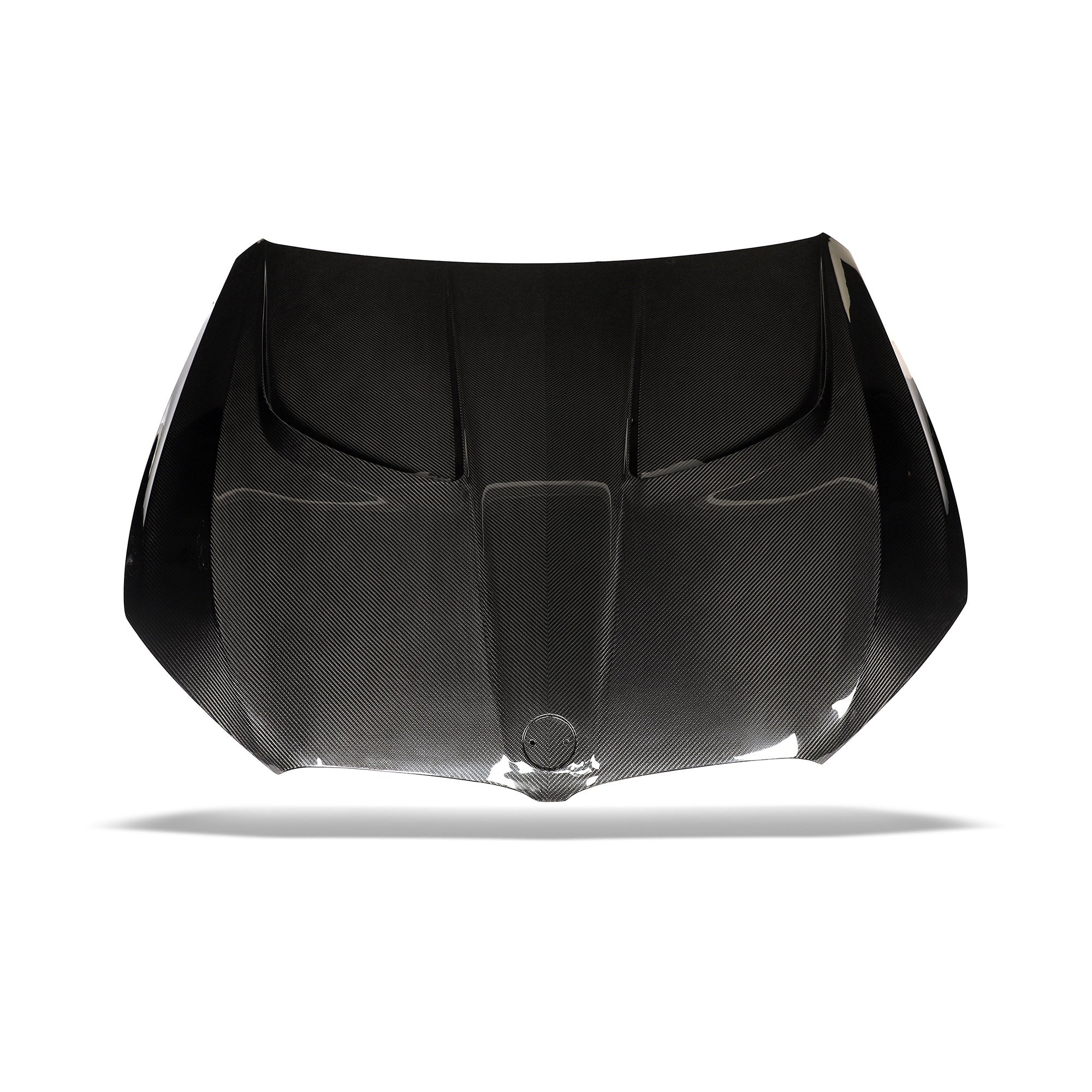


BMW M8 F91 F92 F93 Carbon Fiber Hood
$4,569


BMW M8 F91 F92 Carbon Fiber Rear Diffuser
$1,839


BMW M8 F91 F92 G14 G15 Carbon Fiber Spoiler
$349


0 comments